
StudiO Studies: The Case Study Houses
StudiO Studies is an occasional series highlighting interesting, important and relevant moments from the history of architecture and design. These posts cover everything from theories and concepts to buildings and spaces – and of course, designers.
The Case Study House Program occupies a fascinating place in the history of modern architecture, both for the buildings it produced and the ambitions it articulated. Conceived in the aftermath of World War II, it attempted to use design to answer a pressing social question: how should Americans live in an age of industrial abundance and rapidly changing domestic arrangements?
Launched in 1945 by John Entenza, the editor of Arts & Architecture magazine, the Case Study House Program was both a design initiative and a publishing project. Entenza invited a select group of architects – many of whom were already associated with the West Coast modernist avant-garde – to design prototype houses that could be built affordably and adapted for mass housing.
The resulting designs were published in the magazine as detailed case studies, complete with drawings, photographs, material specifications and cost estimates. Some of these proposed houses were built and opened to the public, allowing architecture to be experienced not just as an abstract ideal but as a lived environment.
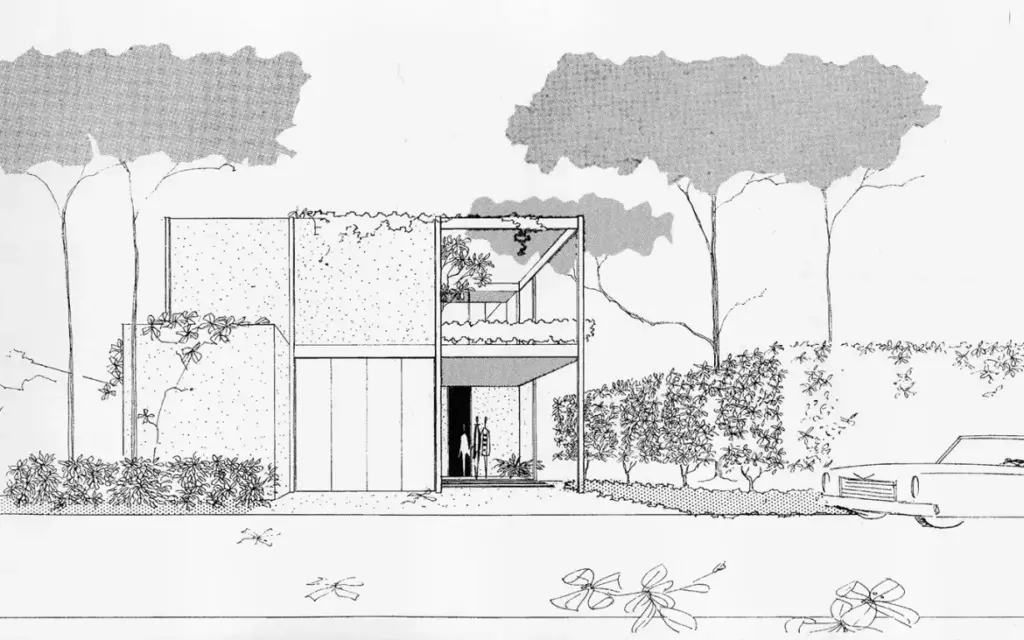
The program ultimately produced more than three dozen designs, most located in Southern California. While the program’s stated goal was reproducibility, the real legacy of the Case Study Houses lies less in their direct replication than in their role as laboratories for architectural ideas.
Architects such as Charles and Ray Eames, Richard Neutra, Pierre Koenig and Eero Saarinen used the program to explore new relationships between structure, space and daily life. Steel framing, large expanses of glass, open plans and modular components were more than just stylistic gestures – they were attempts to align architecture with the logic of industrial production and modern living. At their best, these houses made a compelling argument that modern architecture could be at once experimental and humane.
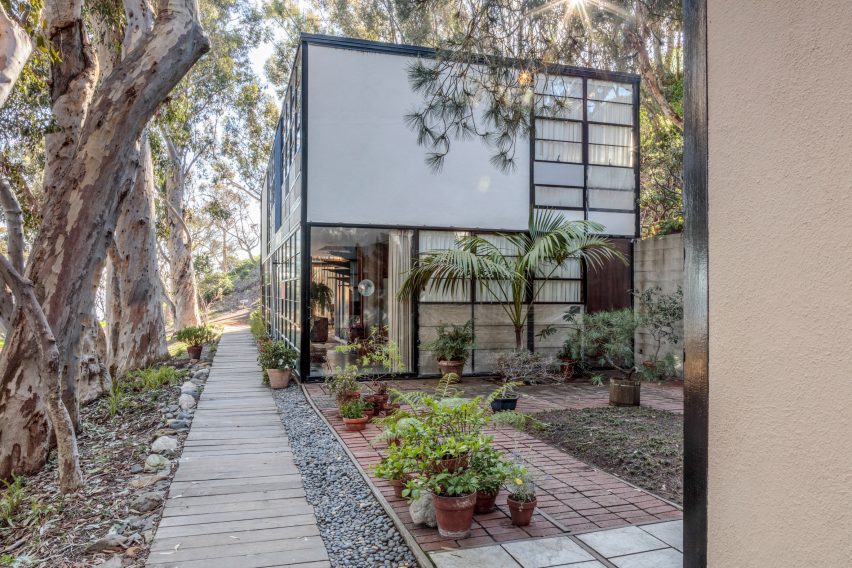
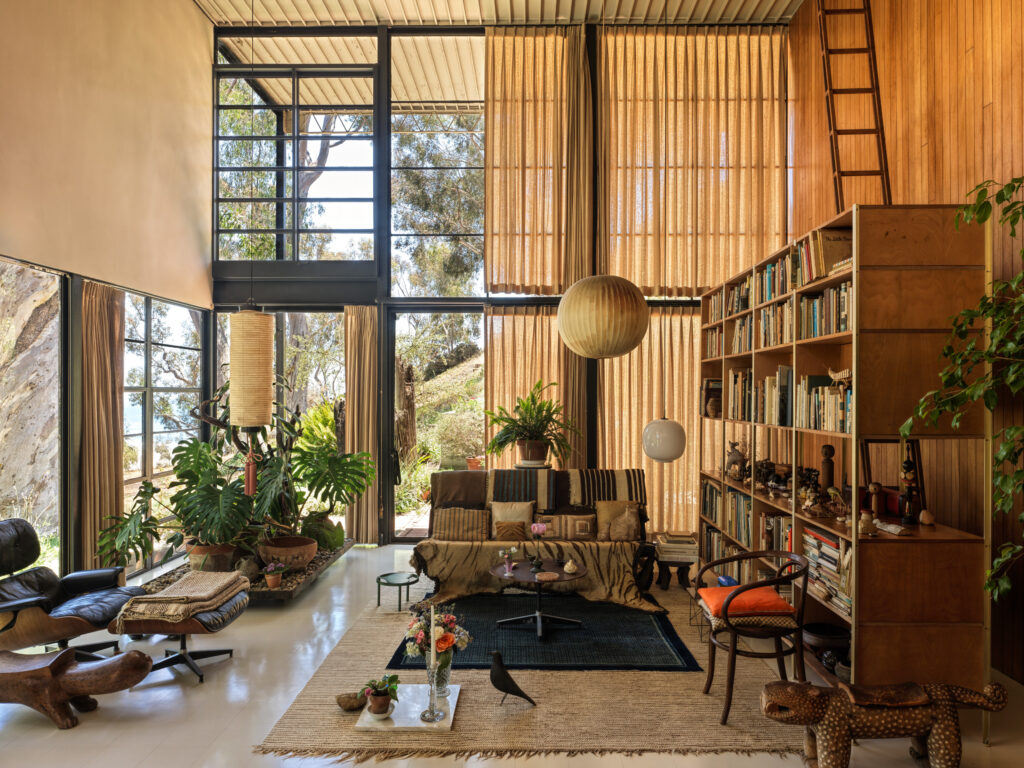
One celebrated example is the Eames House (Case Study House No. 8). Modest in scale and deeply responsive to its site, the Eames House demonstrates how prefabricated elements can be combined with sensitivity and warmth.
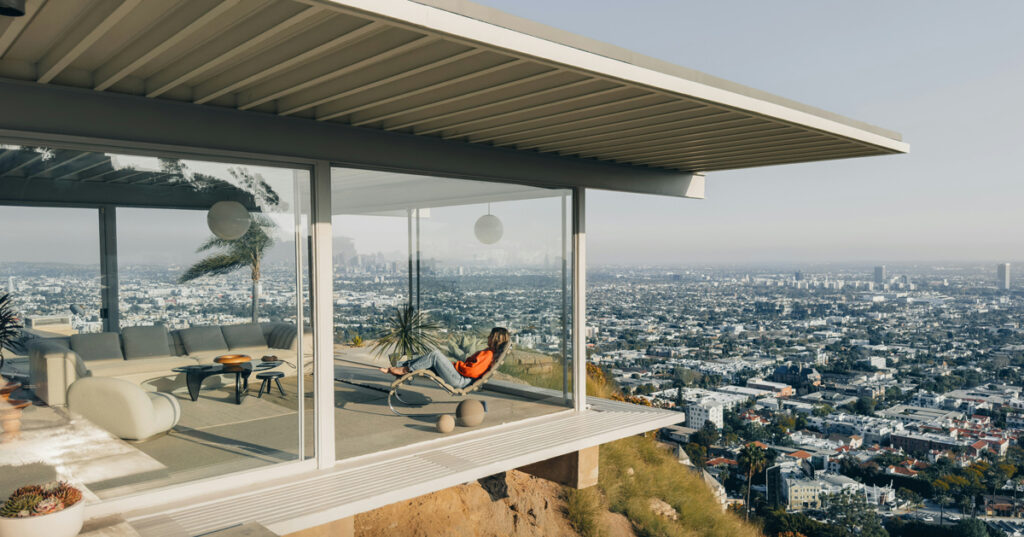
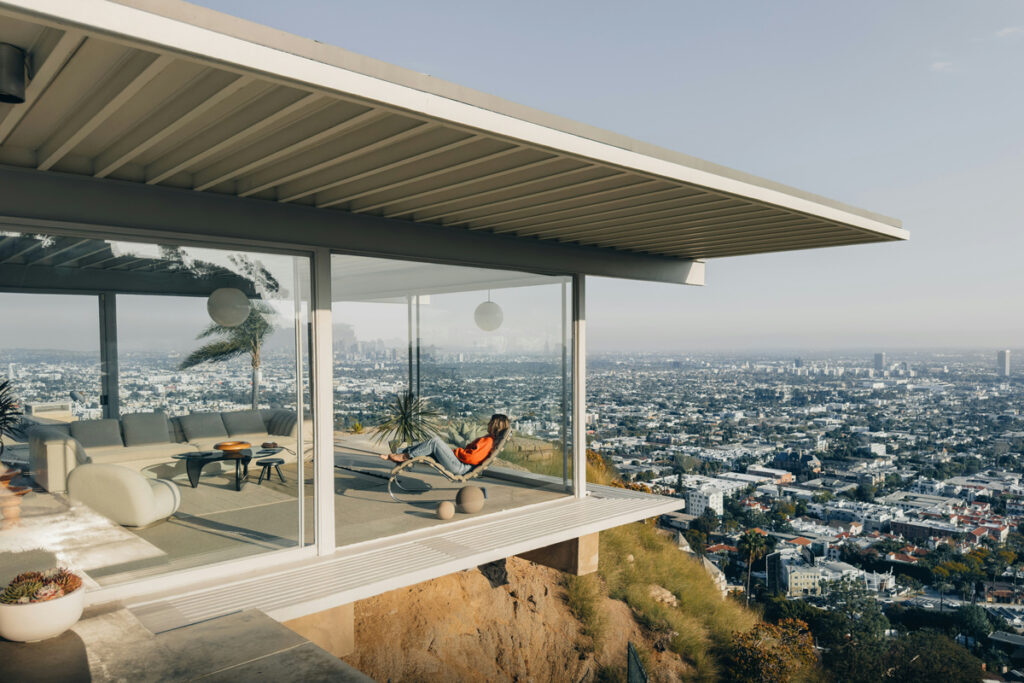
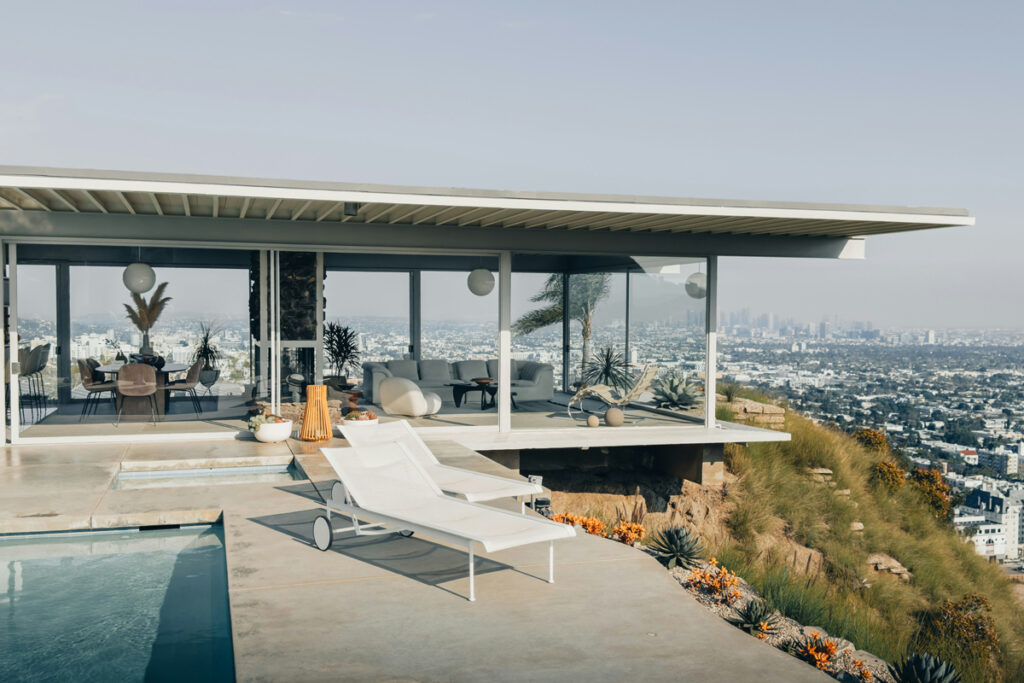
The Stahl House (Case Study House No. 22, by Pierre Koenig) is dramatically cantilevered over the Los Angeles basin. It presents a more heroic image of modernity – one that has become inseparable from the visual mythology of postwar California.
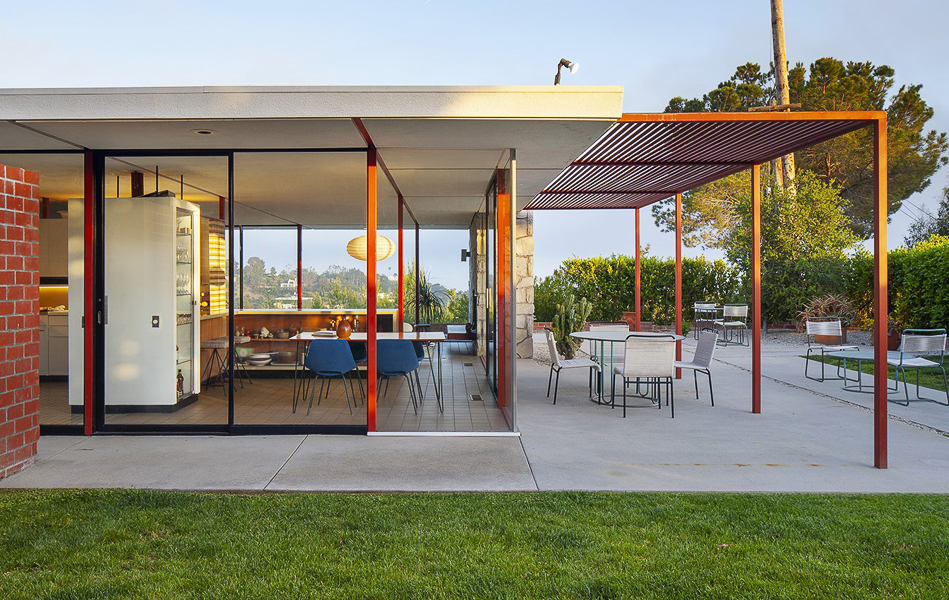
The Case Study House Program was never neutral, of course. It reflected specific cultural assumptions about the idealized middle-class life of postwar America, particularly regarding family structure and gender roles. Kitchens were efficient and compact. Living spaces flowed outward to patios and gardens. Studying these houses today, we can acknowledge their optimism as well as their blind spots. At the same time, the fact that these designs are so embedded in a particular historical moment is what makes them so valuable and interesting. They show how architecture responds to, and helps shape, social aspirations.
For contemporary architects and designers like us at StudiO, the Case Study House Program remains fascinating and inspiring – especially in an era of housing shortages, rapid technological change and pressing environmental concerns. While the materials and social conditions have shifted, the underlying question persists: how can designers engage thoughtfully with the realities of their time without surrendering to mere functionality?
More than sixty years on, the Case Study Houses continue to remind us that architecture can be bold without being detached, rigorous without being inaccessible, forward-looking without abandoning the everyday. Engaging with this legacy is less about imitating a particular style than about approaching design as a form of inquiry. It’s about seeing the house as a place where technology, culture and life itself come together.
Images by Peter Thomas, Chris Mottalini / Eames Office, Leslie Schwarz and Joshua White / Eames Office, and Larry Underhill