
StudiO Studies: Community in a Cube
StudiO Studies is an occasional series highlighting interesting, important and relevant moments from the history of architecture and design. These posts cover everything from theories and concepts to buildings and spaces – and, of course, designers.
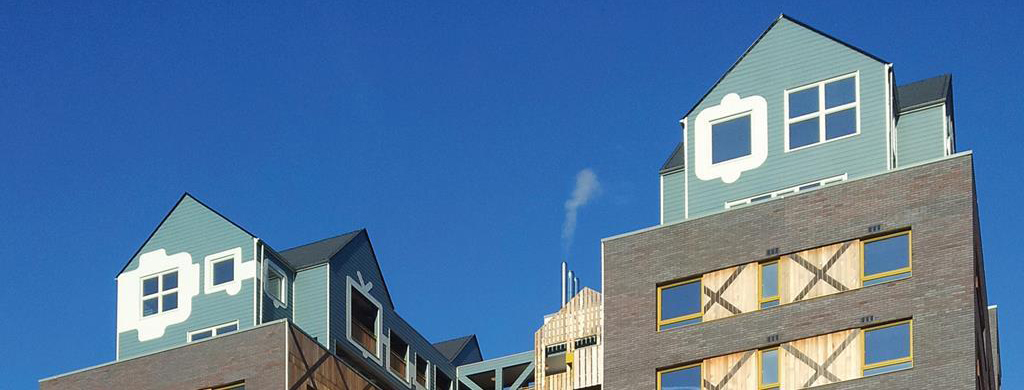
Conceived by the now-defunct architectural practice FAT (Fashion Architecture Taste) and completed in 2012, Community in a Cube (CIAC) in Middlesbrough stands as a provocative and thoughtful experiment in high-density, mixed-use living.
Described by Dezeen as “an assortment of building typologies [that] appear to be stacked on top of one another”, the design has inspired strong reactions from the start.
At first glance, CIAC presents itself as a work of simple geometry – a cubic mass raised over ground-level commercial and leisure functions (including a pub). But this formal austerity belies a more subtle set of intentions.
The scheme comprises around 80 residential units, ranging from studios to two-bed “sky homes,” perched above a base that supports active uses, courtyards, shared amenity spaces and a community centre.
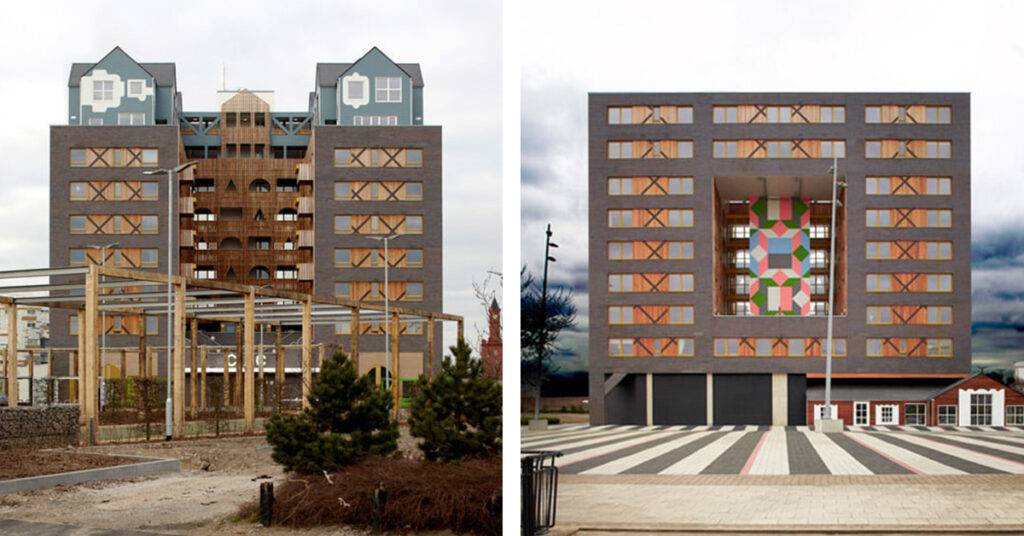
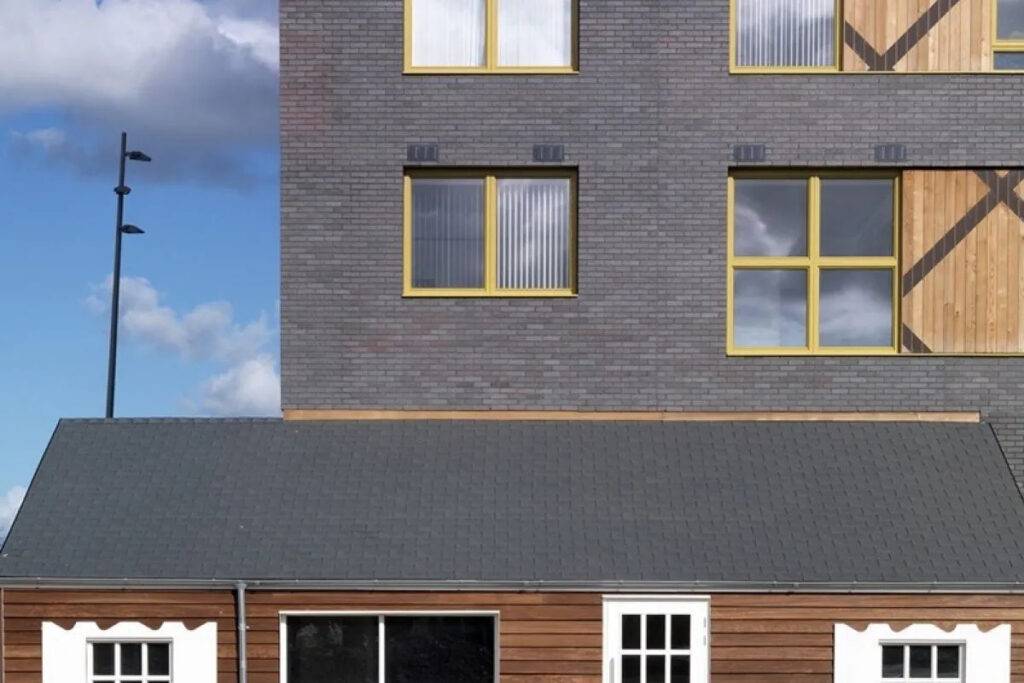
Situated beside the docks, CIAC was intended by its designer Will Alsop to form part of a new regeneration zone, connecting a new riverside quarter to the heart of Middlesbrough. The cube form frames views over the water, establishes a strong silhouette on approach and anchors the public realm around it.
The mass is split into two wings flanking a central service core, reducing corridor lengths and maximising dual-aspect apartments. Large windows, high ceilings and exposed concrete soffits contribute to a structure that is both visually assertive and spatially efficient, with a coherence that rewards close inspection.
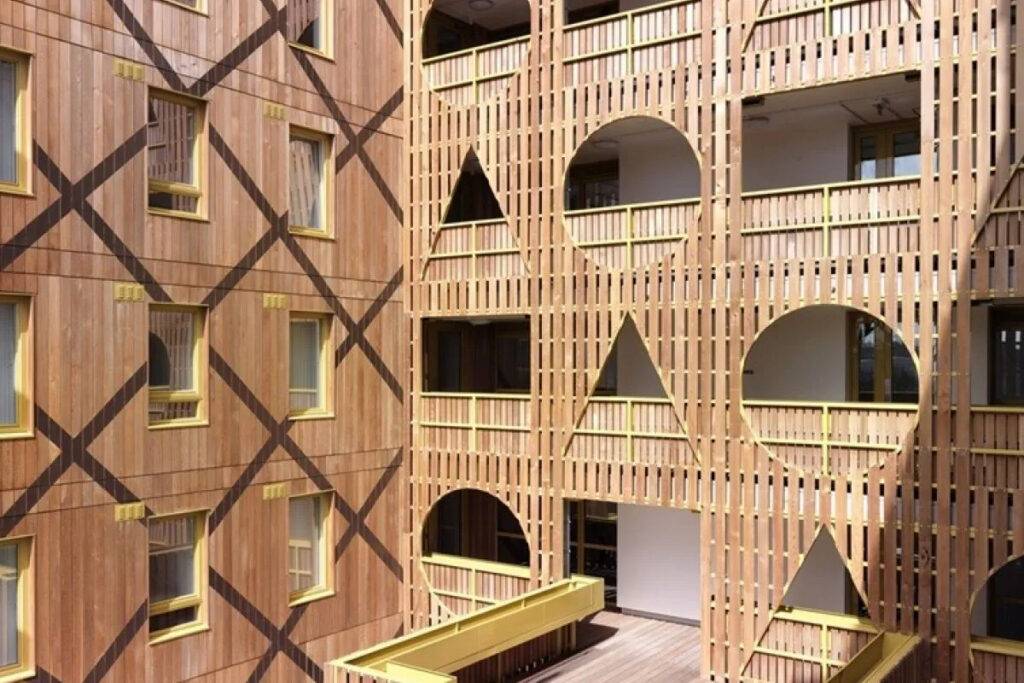
CIAC was conceived as a flagship of sustainable, community-oriented architecture. Communal spaces such as the courtyard, garden and community centre were meant to enhance social interaction and encourage a sense of shared stewardship.
Alas, the gap between ambition and execution has been revealing in the decade-plus since the project was completed. Post-occupancy evaluations show that CIAC’s performance fell short of its design intent. FAT’s divisive scheme embodies both the promise and the limits of sustainable architecture as a building-scale experiment.
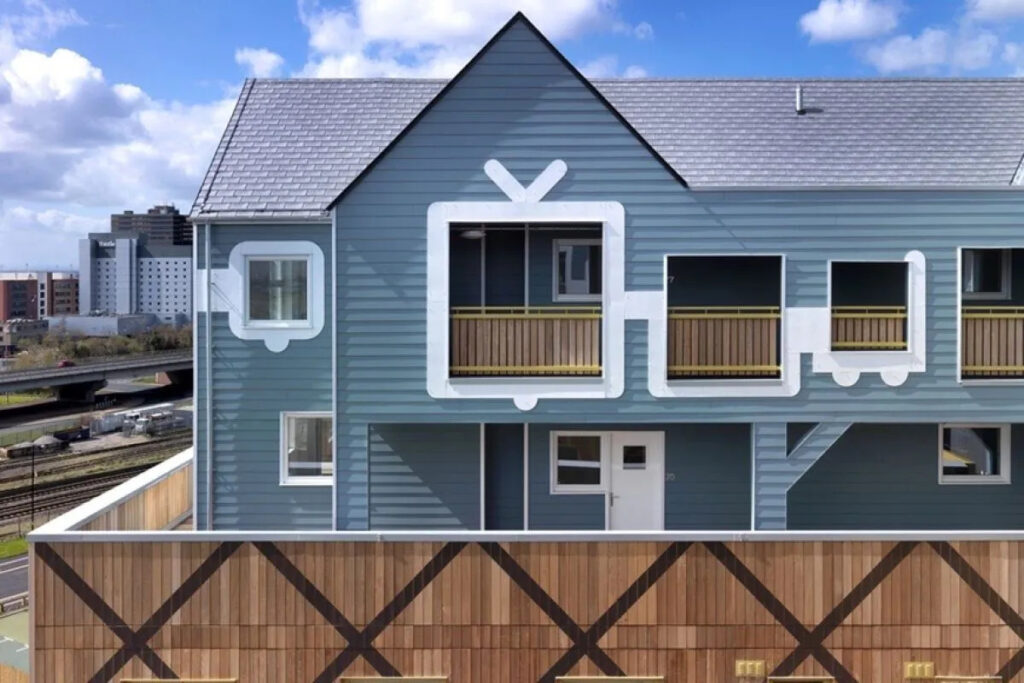
The name Community in a Cube encapsulates a wider aspiration – that architecture might foster social connection and vitality. In its program of shared spaces, ground-floor activity and visual porosity, CIAC attempts to blur the line between private and public life. However, because the broader Middlehaven masterplan was never fully realised in its era of austerity, the building stands largely alone in an incomplete landscape. Without its intended neighbours, the urban fabric feels unfinished, the promise of community somewhat suspended. The building’s striking isolation, visible across the open ground of the docks, gives it a certain sculptural power but undermines its social premise.
CIAC’s distinctiveness also raises broader questions. Can a single architectural object truly generate community, or is that condition dependent on networks that extend beyond the building itself – inhabitants, management, governance, and continuity of place? CIAC’s boldness is both its virtue and its vulnerability: a beacon for design ambition, yet one that exposes the difficulty of translating idealism into everyday life.
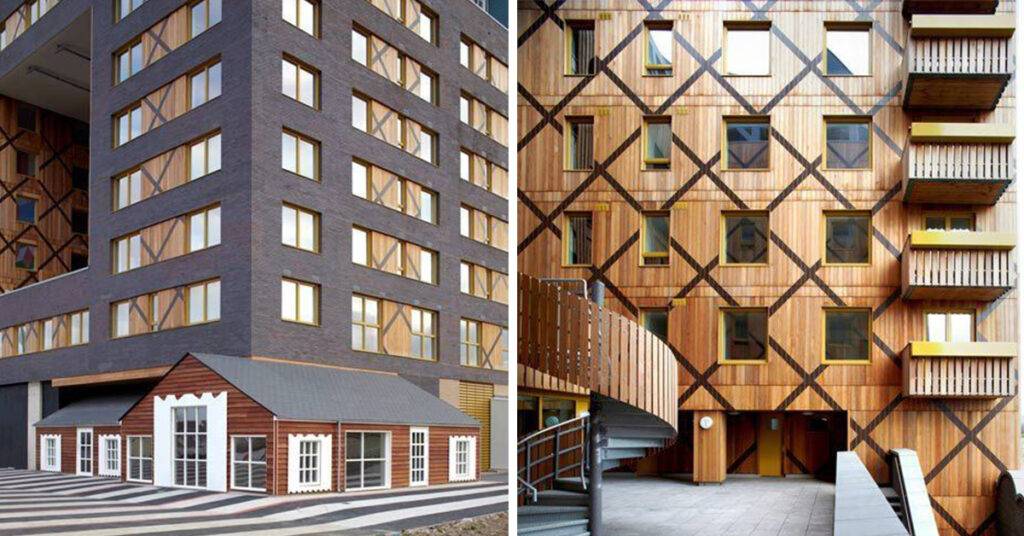
For architects like us, passionate about contributing to our local community, CIAC remains a study in both inspiration and caution. It reminds us that ambitions for sustainability and community must operate across multiple scales; that commissioning and management are as critical as concept design; and that phasing matters. Above all, it demonstrates that architecture, while powerful, cannot conjure community by form alone.
More than a decade after its completion, Community in a Cube endures as a curious landmark – a symbol of Middlesbrough’s aspirations, a monument to experimental urbanism and a touchstone for architects pursuing the intertwined ideals of sustainability, density and belonging.
Neither a perfect exemplar nor a failed utopia, CIAC reminds us that architecture’s most ambitious experiments often live in the tension between vision and reality.