StudiO in Paris: a team field trip
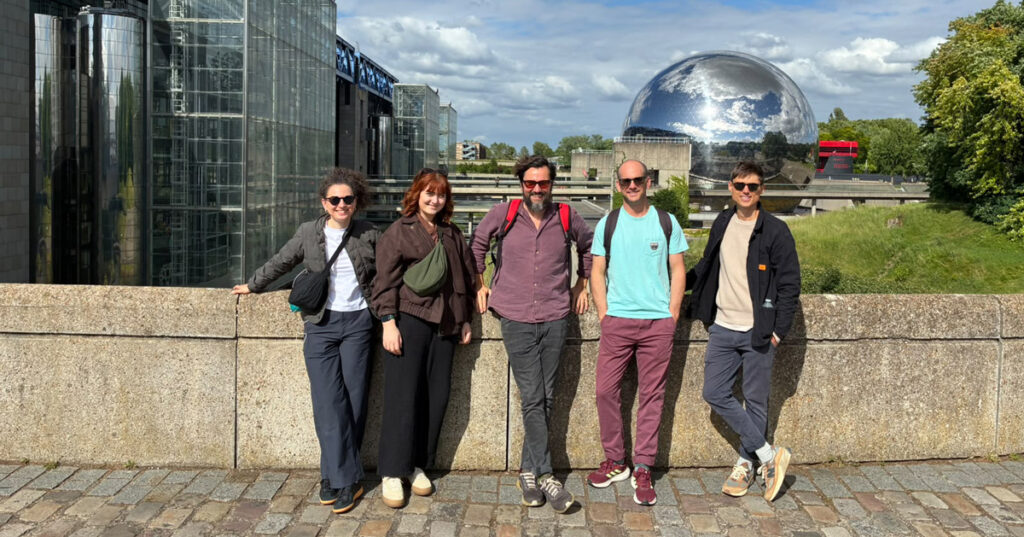
To celebrate a big StudiO anniversary, we took ourselves to Paris. Over three days and nights, we pounded the pavements, ate some incredible food, sampled numerous delicious natural wines, and even graced a dancefloor or two. Most importantly, we experienced a wealth of fascinating architecture and design, from the classical to the contemporary.
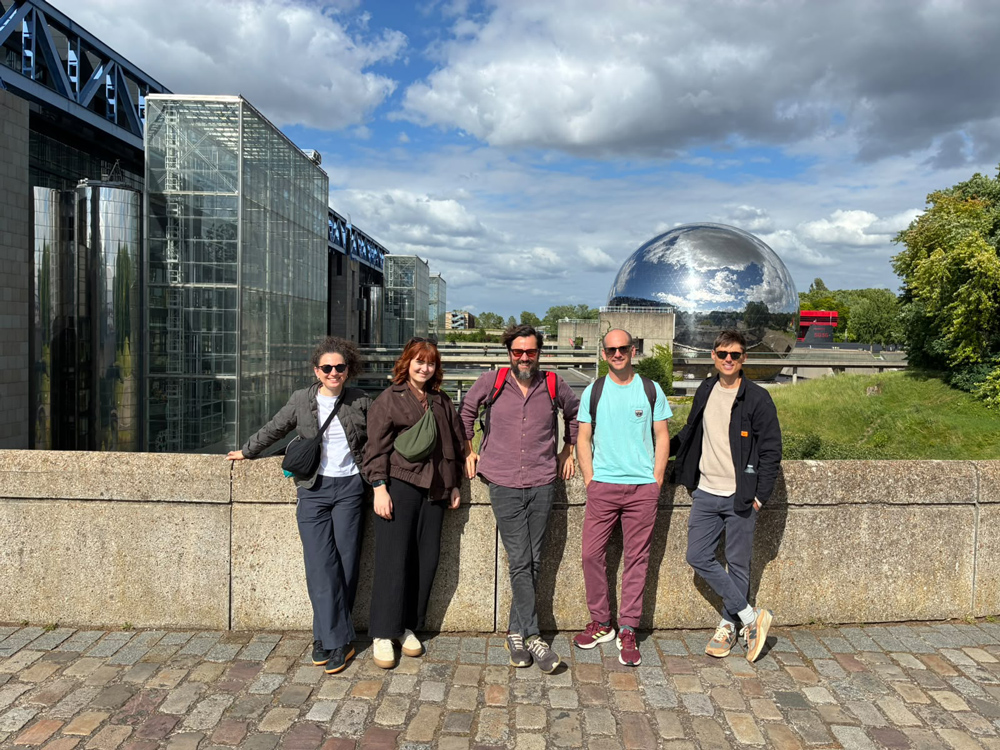
In Parc de la Villette on Friday afternoon, we encountered a rich collection of architectural landmarks and innovative public spaces. Highlights included the iconic red follies (designed by Bernard Tschumi), which act as visual markers throughout the site, as well as the striking silver forms of Cité des Sciences et de l’Industrie. We also enjoyed La Géode, a dramatic geodesic sphere whose reflective surface creates ever-changing views of the sky and surrounding park, and admired the contemporary architecture of Philharmonie de Paris, designed by Jean Nouvel.
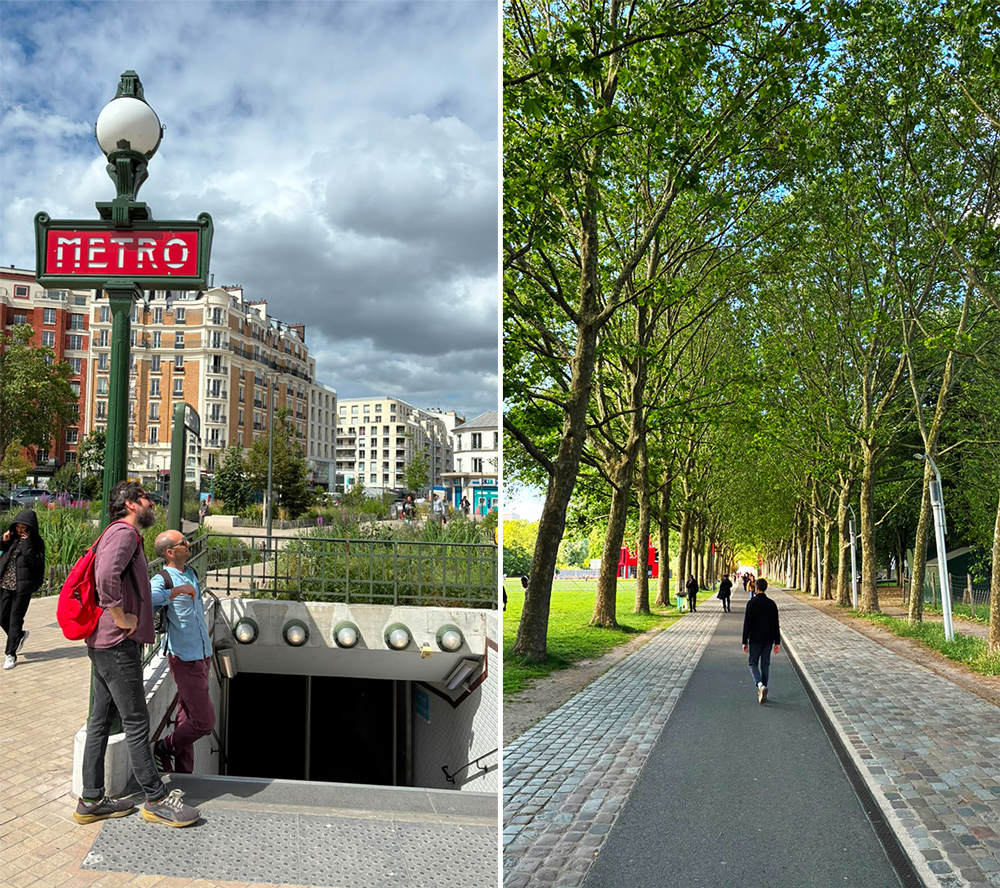
From la Villette we walked west along Canal Saint-Martin and Canal Saint-Denis, where Parisians in their hundreds were enjoying the warm evening. After a fantastic meal at Le Bon Broc on Rue Jean Poulmarch, we headed back to our Airbnb in Saint-Ouen-sur-Seine.
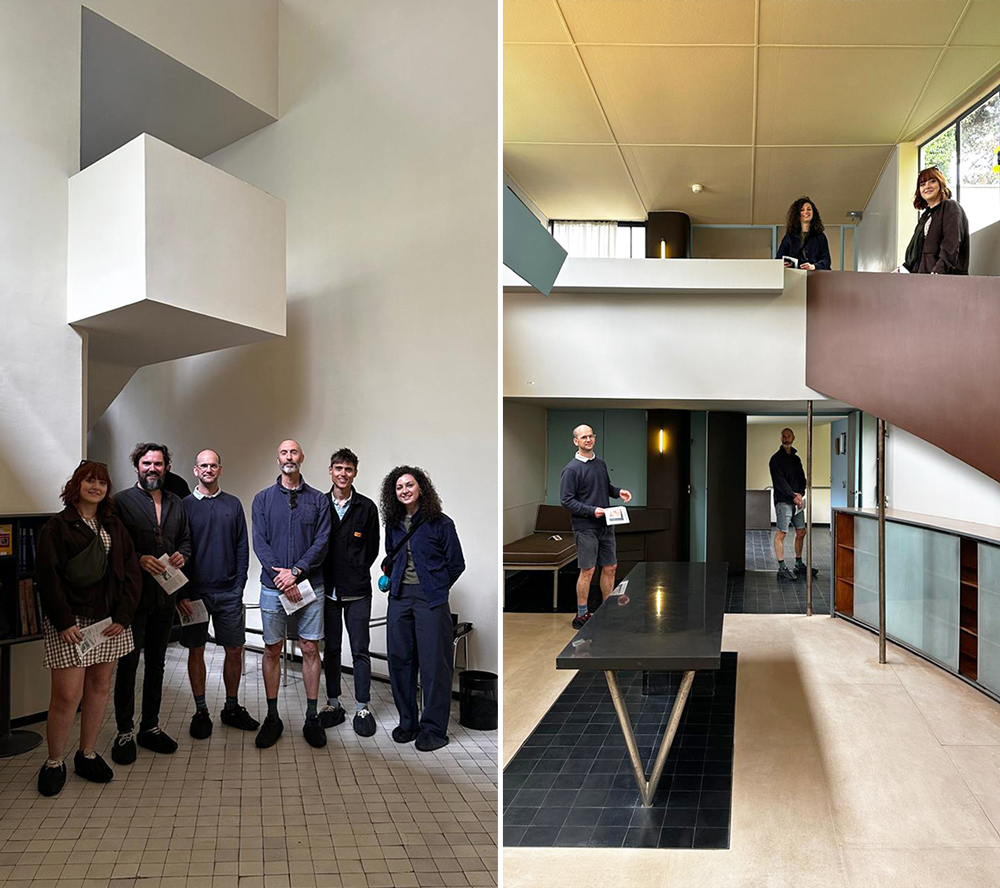
Our first stop on Saturday morning was Maison La Roche. Completed in 1925, this is one of Le Corbusier’s most influential projects and an iconic example of modernist design. Its famous “architectural promenade” guides visitors through a sequence of spaces that unfold through changing perspectives and volumes. Highlights include the dramatic double-height gallery and the elegant curved ramp connecting the main levels. We also admired the expansive ribbon windows – groundbreaking at the time – that flood the interiors with natural light. It was fascinating to see these early manifestations of the principles that became central to Le Corbusier’s work, including open-plan living, clean geometric forms and a close relationship between movement and architecture.
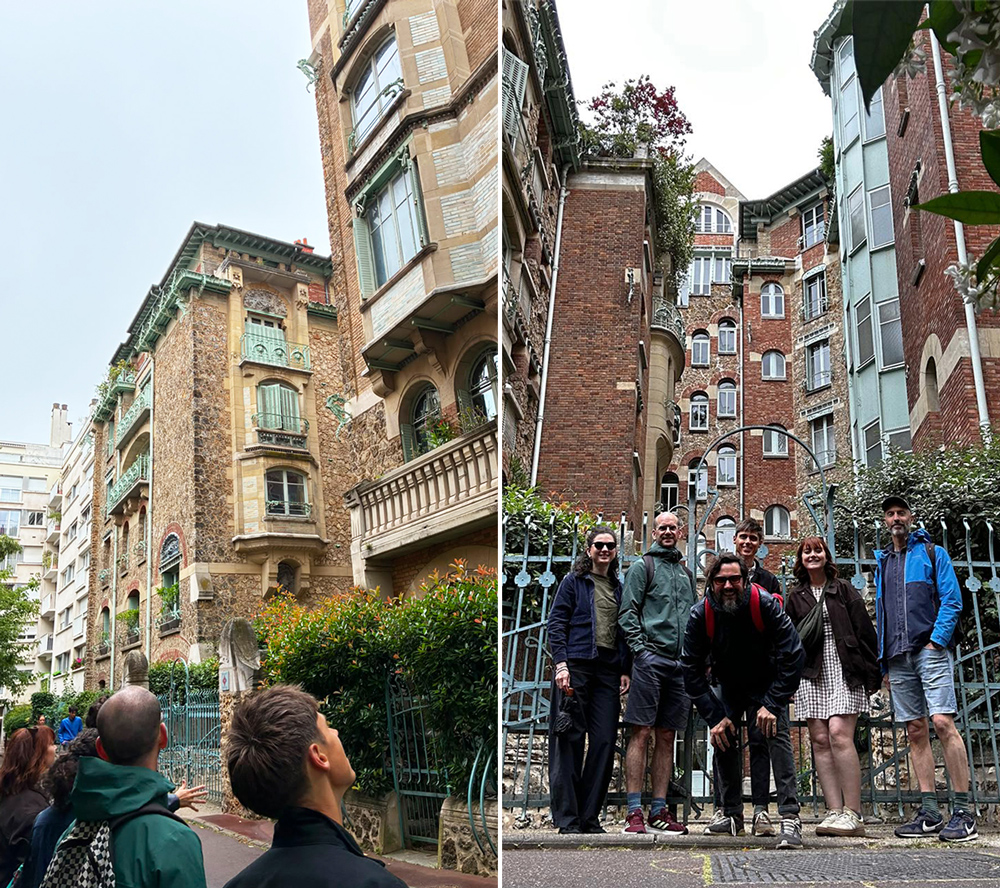
From Maison La Roche, we strolled east through Auteuil to check out Castel Béranger. This groundbreaking apartment building was designed by Hector Guimard between 1895 and 1898. One of the first major examples of Art Nouveau architecture in Paris, it combines flowing organic forms, intricate ironwork and richly textured materials to create a highly expressive façade. The craftsmanship and attention to detail was remarkable, and it was wonderful to see the building still in use by 21st-century residents.
After a hearty lunch at Le Chalet on Rue de la Pompe, we enjoyed a long walk along Avenue Victor Hugo. Developed during the mid-to-late nineteenth century expansion of western Paris, this thoroughfare reflects the principles of Haussmannian urban planning even though it was not among Haussmann’s original central boulevards. Its broad width, formal streetscape and consistent building frontage demonstrate the emphasis on order, connectivity and monumentality that shaped the modern image of Paris.
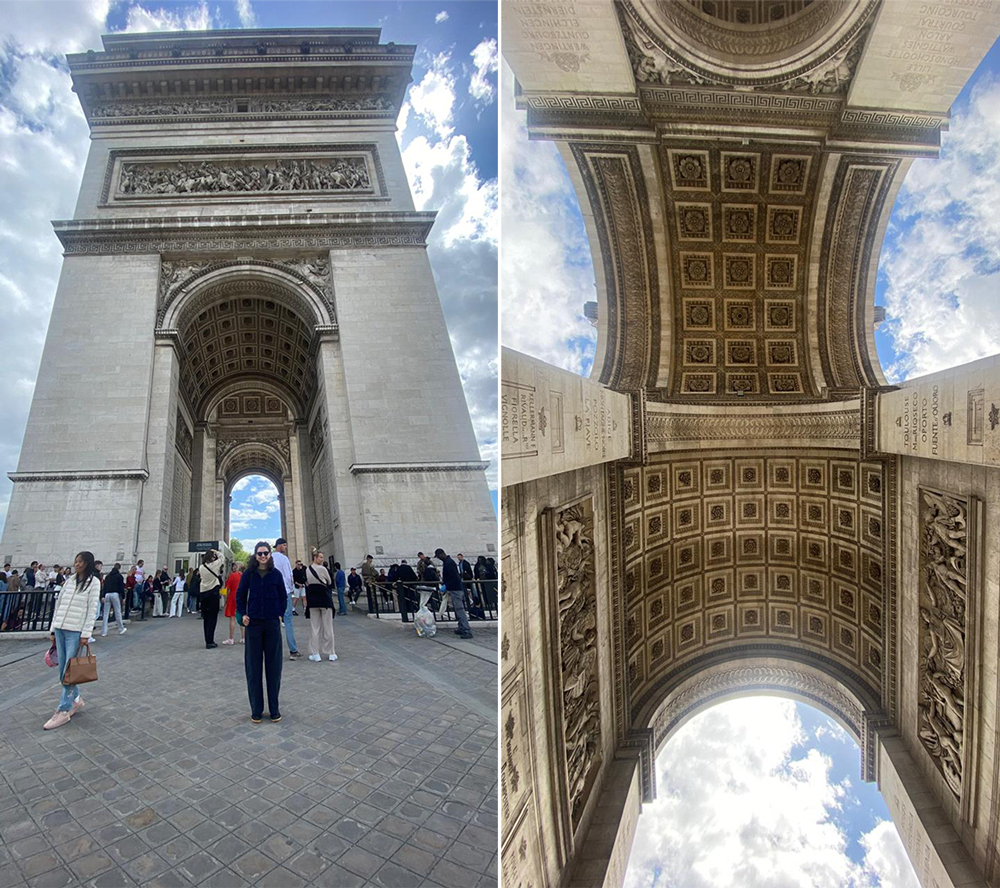
Our stroll led us to the Arc de Triomphe, one of Paris’s most significant monuments. Commissioned by Napoleon Bonaparte in 1806 to celebrate the victories of the French army, it stands at the centre of Place Charles de Gaulle, forming the focal point of a network of radiating avenues. The monument demonstrates how architecture and urban planning were used together to create powerful civic spaces, with its commanding position reinforcing the grand axial vistas that characterise Paris.
That evening, we made the most of the fact that our visit coincided with the 2026 Nuit Blanche, an all-night arts and cultural bonanza taking place at numerous venues across the city. Though we didn’t quite make it to sunrise, we had a blast at two different live music events, where we put our tired legs to work on some al fresco dancefloors.
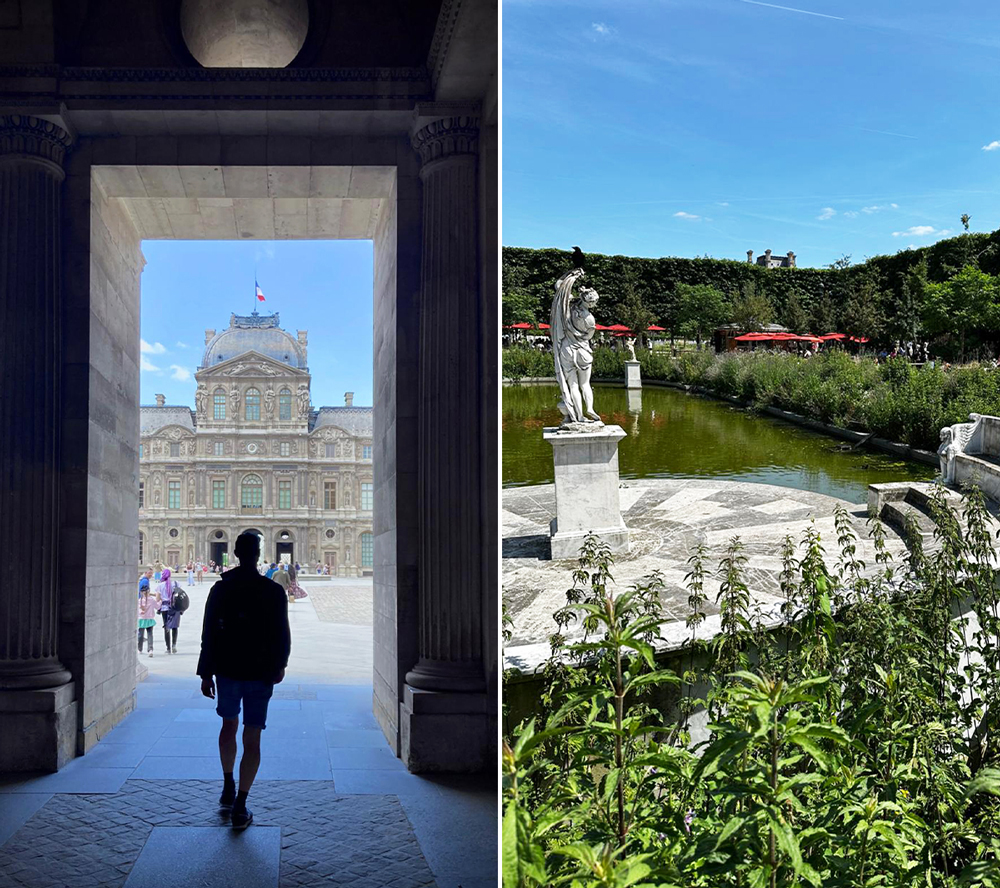
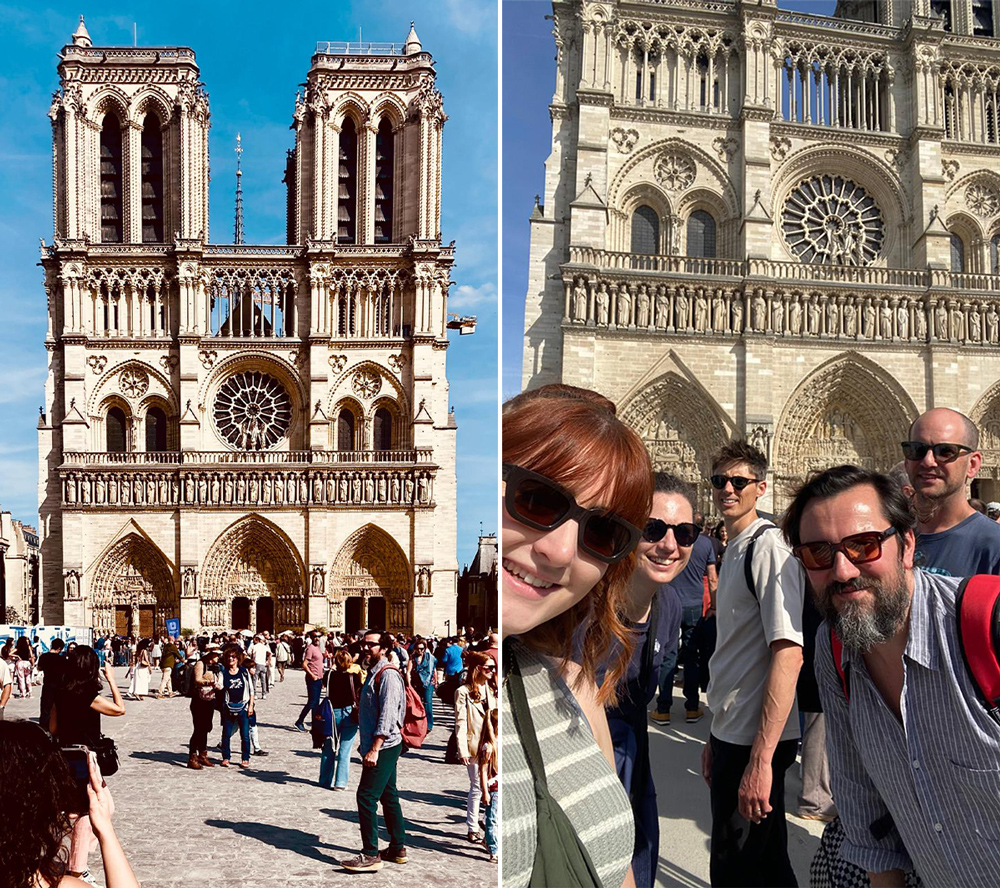
Sunday saw us taking in Parisian classics like the Left Bank, the Louvre, the Jardin des Tuileries and Notre-Dame. The latter was particularly fascinating given the careful restoration the building has undergone in recent years. Following the 2019 fire, teams of architects, engineers, conservators and craftspeople worked to stabilise the cathedral, clean and repair its masonry, reconstruct the medieval timber roof structure and faithfully rebuild the 19th-century spire (designed by Eugène Viollet-le-Duc). This colossal restoration project drew on both traditional building skills and sophisticated digital documentation, demonstrating how contemporary technology can support the preservation of historic architecture.
We finished the weekend with drinks and dinner in the Marais. On Monday morning, before heading back to Charles de Gaulle, we browsed the sprawling, labyrinthine flea market in Saint-Ouen. Though we could each have filled a suitcase and more with the vintage treasures and trinkets on offer, our bags were already stuffed with souvenirs and gifts to take home.
All in all, an inspiring trip with a fantastic team, celebrating the past, present and future of StudiO. À la prochaine, Paris!